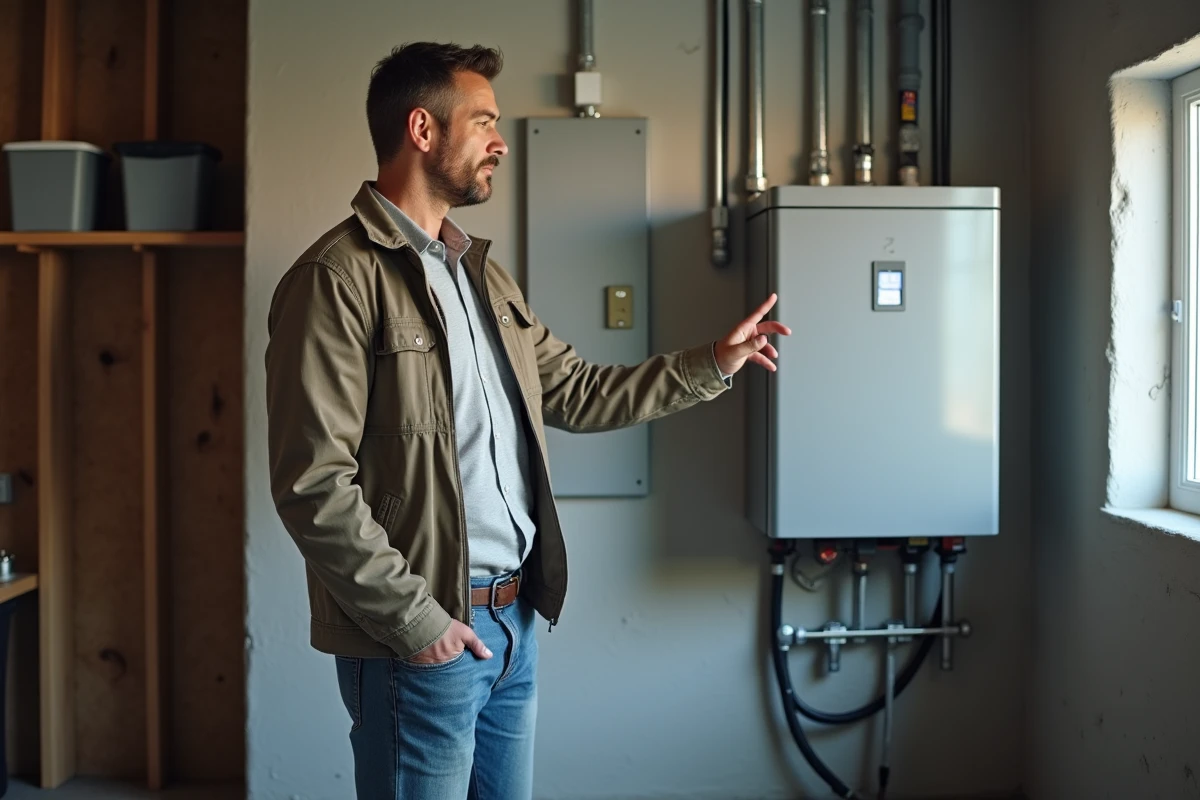
A thermometer that rises or a poor charging routine: this is enough to undermine the actual efficiency of a battery, sometimes with more than a 20% difference in performance. Lithium-ion models, the stars of domestic solar installations, promise a great lifespan… but reality quickly collides with micro-cuts and partial uses that nibble away at their efficiency.
It is impossible to overlook safety: regulations require the addition of electronic management systems, which protect against overcharging or deep discharge. It is therefore difficult to ignore the technical constraints: selecting a battery is not just about adding up kilowatt-hours. One must juggle energy needs, anticipate maintenance costs, and check compatibility with what already exists at home.
Battery storage: a pillar for solar self-consumption
Solar panels have invaded rooftops and disrupted the traditional electrical grid. But as long as the captured energy is not stored, self-consumption faces challenges from the weather and peak demands. Battery storage changes the game: it captures surplus solar electricity and releases it when production drops. The result: one frees oneself from the electric grid with every kilowatt-hour self-produced and stored. Every ray of sunshine is valued, and the bill lightens.
This topic is no longer marginal. In the face of volatile energy prices and the demands of the energy transition, batteries have become the foundation upon which unprecedented autonomy is built. Thanks to solar energy storage, production and consumption are decoupled: no more waste, welcome stability at home.
Explained on the page “Energy Storage: How Does a Battery Work? – Useful in Daily Life,” this storage method adapts to all scales, from homes to small businesses. Every configuration finds its place.
To grasp the scale of this revolution, here are some striking data:
- A solar self-consumption rate that can reach 70% with a well-sized system.
- Concrete savings on the electricity bill, thanks to finer management between production and actual needs.
- A reduction in environmental impact through decreased reliance on thermal power plants.
The massive arrival of solar batteries in households accelerates the transformation of the energy landscape, putting each individual in control of their own storage and electric energy management system. The battery stands out as the centerpiece: without it, it is difficult to harness the full potential of solar self-consumption.
What types of batteries to choose and for what uses?
To select a storage system suitable for solar energy, one must first identify the available technologies. The market revolves around two major families: lead batteries and lithium batteries. Each solution caters to distinct profiles, balancing performance and investment.
At the top of the list, lithium-ion batteries are the go-to for solar electricity storage. They offer a higher energy density than lead, freeing up space for installation. Their efficiency approaches 95%. With over 5,000 charge-discharge cycles, they appeal to project holders aiming for the long term. Within this family, the lithium iron phosphate (LiFePO₄) variant is making waves: it combines robustness and ease of thermal management, a winning duo for intensive uses.
Synthetic comparison
| Battery Type | Lifetime (cycles) | Efficiency | Preferred Uses |
|---|---|---|---|
| Lead | 500 to 1,500 | 80% | Occasional storage, low budget |
| Lithium-ion | 3,000 to 7,000 | 90-95% | Daily self-consumption, optimal efficiency |
| Lithium iron phosphate | up to 10,000 | 95% | High-end installation, heavy use |
This table clarifies the choice: for occasional needs or an isolated residence, lead remains relevant. But as soon as it comes to an ambitious solar panel installation, lithium technology prevails. It combines compactness, performance, and record lifespan.
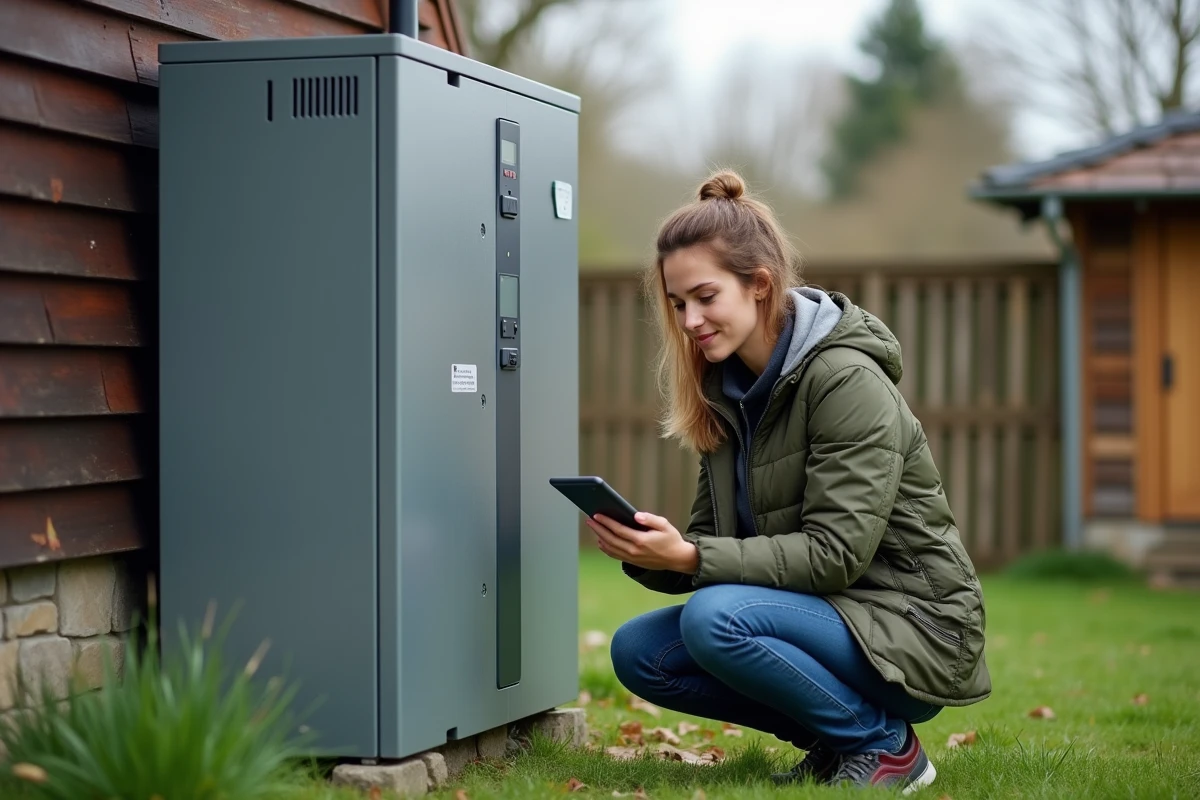
Understanding selection criteria and the profitability of a storage battery
Choosing a storage battery suitable for solar self-consumption is neither a matter of luck nor instinct. It is a precise arbitration based on several parameters. The first of these is capacity in kWh. It determines the energy that can actually be stored and used. The nominal value does not tell the whole story: one must monitor the recommended depth of discharge, as it conditions the battery lifespan.
Another crucial criterion is the number of charge-discharge cycles. A cycle is a complete use of the reserve. The differences are notable: while a lithium-ion battery can handle over 5,000 cycles, lead often caps at 1,500. This longevity weighs heavily in the overall assessment, alongside efficiency under real conditions.
Profitability is measured over the entire lifecycle: acquisition cost, installation, potential maintenance, and savings generated. A well-sized system, in sync with solar production and daily consumption, maximizes self-consumption while limiting reliance on the grid. Do not overlook the quality of the inverter or compatibility with existing systems: getting it right avoids unnecessary expenses and lasting frustrations.
One last point deserves attention: the manufacturer’s warranty. It reflects the manufacturer’s confidence and protects against premature failures. Too often relegated to the background, this data deserves a central place in any investment strategy.
At the intersection of technique and use, the choice of a solar storage battery shapes the energy independence of tomorrow. Each installation already tells a story of controlled energy, of freedom gained over the uncertainties of the grid. Who will take the lead?