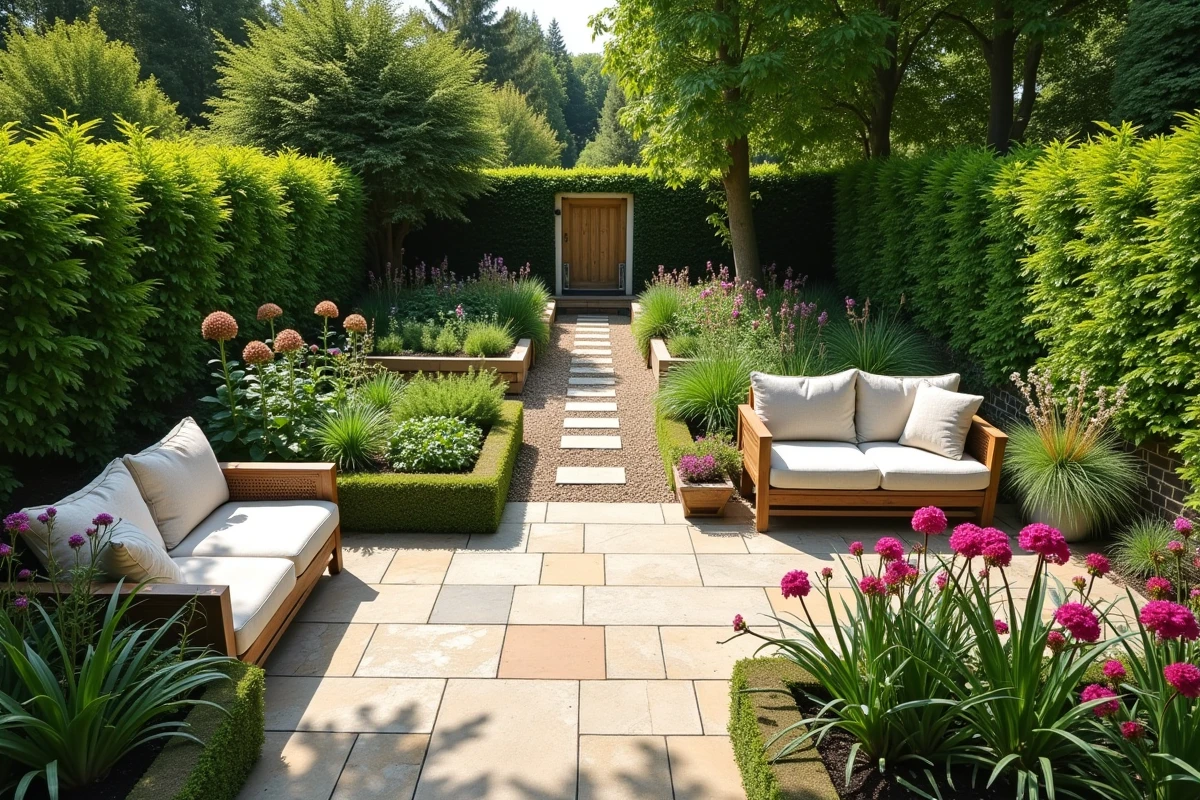
The layout of a garden relies on concrete choices that determine the functionality and atmosphere of each area. Rather than reasoning by decorative style, the most effective approaches segment the space by use: dining, relaxation, circulation, cultivation. The ten techniques that follow each target a specific lever to transform an outdoor area into a welcoming space, regardless of the available surface.
1. Zoning by use to structure the garden
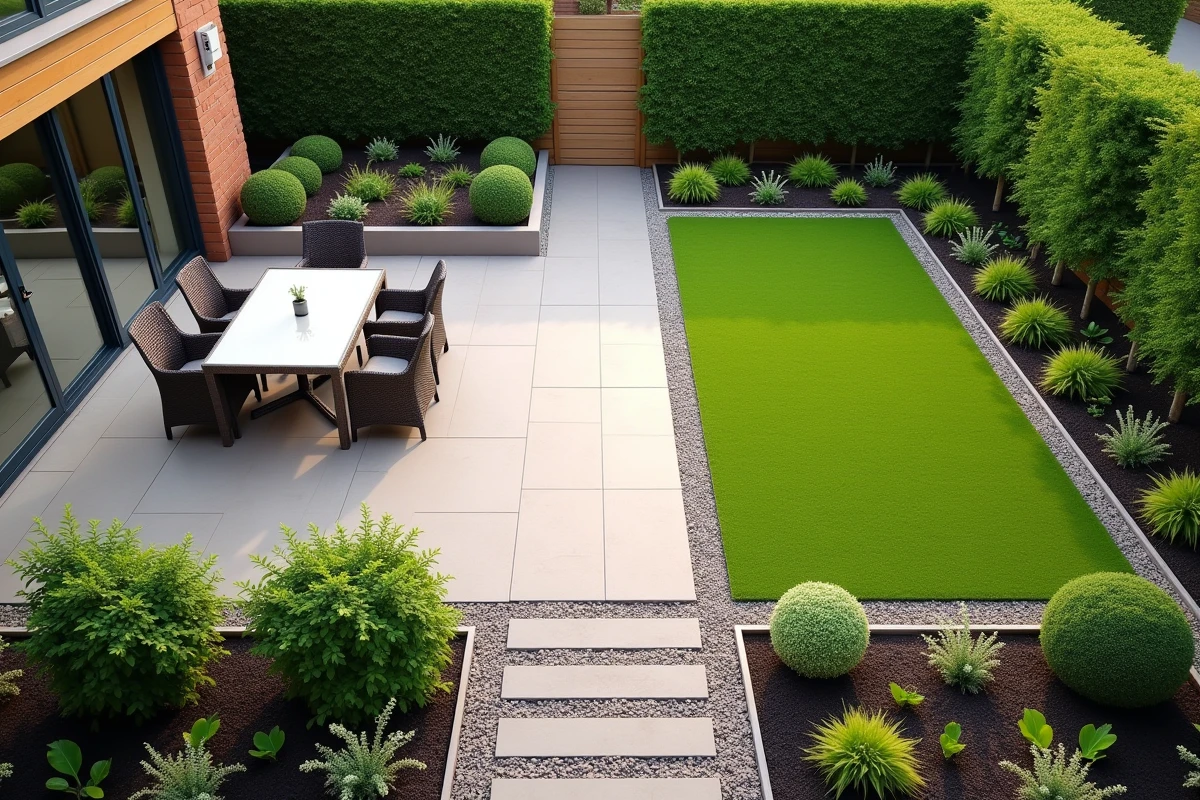
Dividing the land into functional zones (dining area, relaxation space, play area, vegetable garden) provides immediate clarity to the garden. Each zone benefits from being defined by a change in surface material, a low hedge, or a slight elevation change.
This zoning avoids the pitfall of a “flat” garden where everything blends together. By first considering the daily paths between the house and each zone, you identify the necessary paths and natural passage points. Circulation dictates the structure, not the other way around.
To find more tips for garden layout outdoor spaces, the principle remains the same: start from actual uses before thinking about decoration.
2. Local planting to reduce maintenance
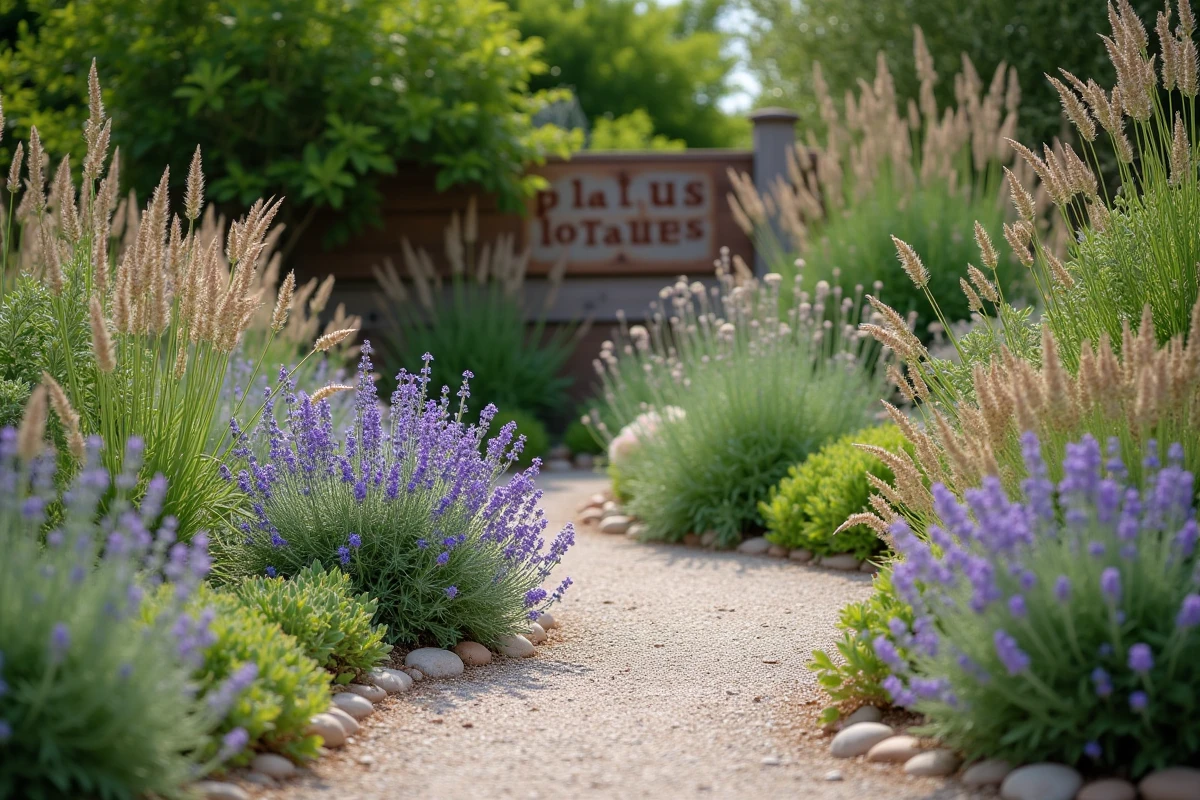
Choosing plants suited to your region’s climate and soil significantly reduces watering and treatment needs. Local vegetation is better able to withstand seasonal variations and promotes biodiversity by providing food and shelter for wildlife.
Recent landscaping guides emphasize this point: reducing mineral surfaces in favor of local plantings enhances both the aesthetic and ecological balance of the garden. Consult a nursery in your area to learn about the species best suited to your land.
3. Terrace with mixed materials to create an anchor point
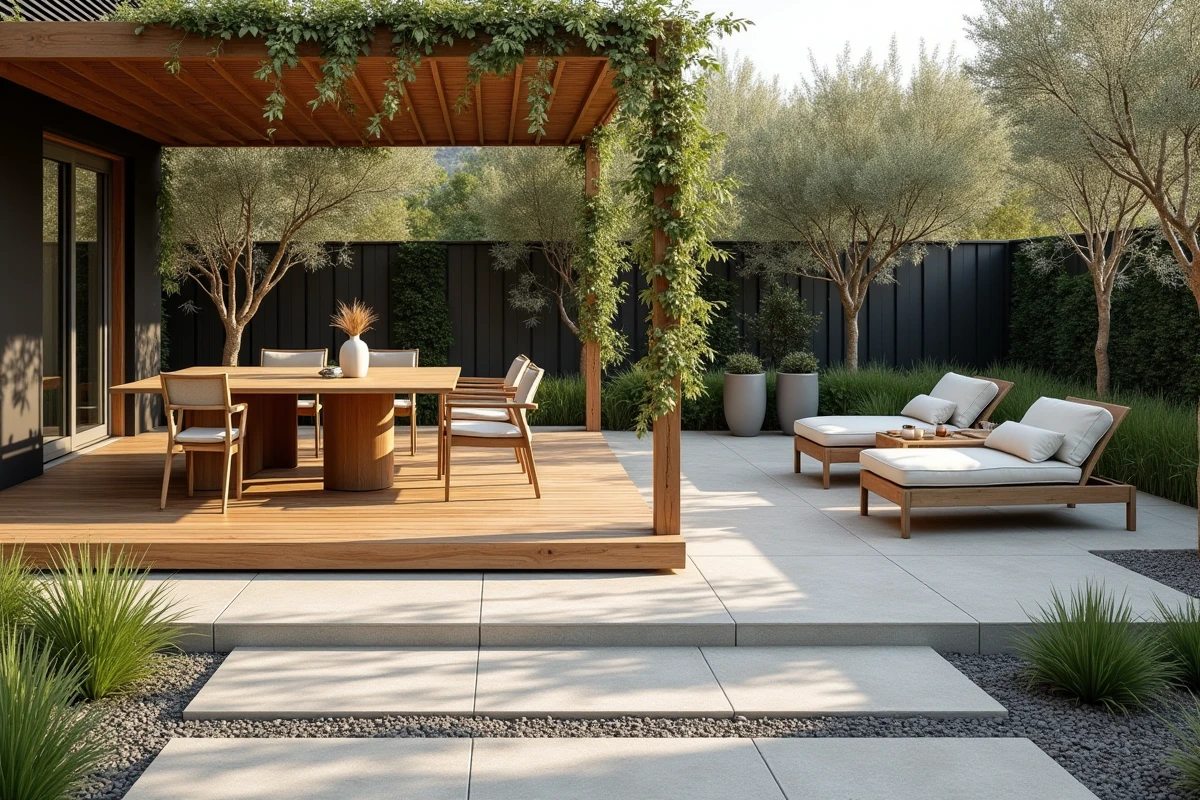
The terrace serves as the physical link between the house and the garden. Combining two materials (wood and stone, slab and stabilized gravel) creates a visual contrast that enlarges the perceived space.
The choice of material has a direct impact on maintenance. The table below compares the most common options based on their durability and maintenance level.
| Material | Weather Resistance | Maintenance | Visual Appearance |
|---|---|---|---|
| Composite Wood | High | Low (annual cleaning) | Warm, consistent |
| Natural Stone | Very High | Medium (moss, joints) | Authentic, irregular |
| Concrete Slab | High | Low | Contemporary, uniform |
| Stabilized Gravel | Medium | Medium (raking) | Natural, draining |
On the other hand, untreated natural wood ages quickly in humid climates. It is better to opt for a composite or class 4 wood if your region receives frequent rainfall.
4. Integrated vegetable garden as a landscaping element
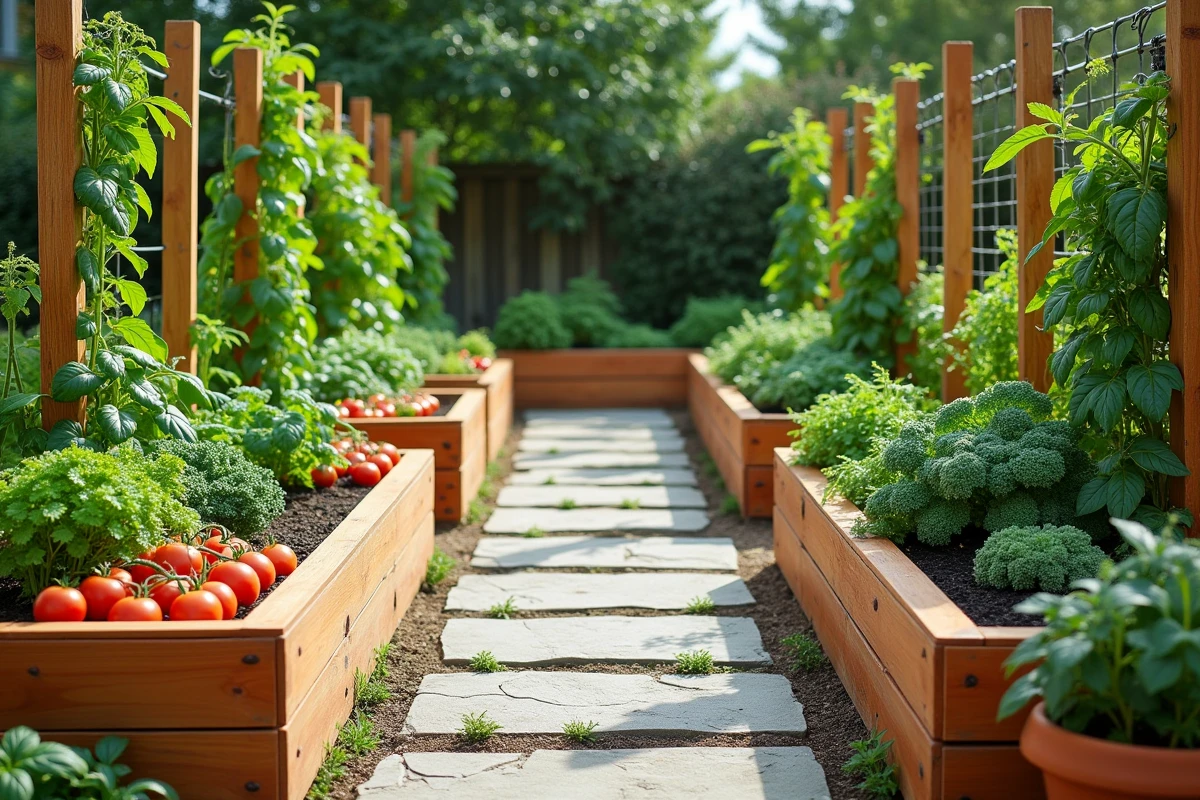
A raised bed or container vegetable garden integrates into the overall composition of the garden without giving the impression of an isolated utility space. Located near the kitchen, it becomes a natural circulation element.
A raised vegetable garden limits weeding and protects crops from crawling pests. Wooden, corten steel, or stone borders also serve as a visual boundary between the food area and the ornamental area.
5. Low-voltage outdoor lighting to extend evenings
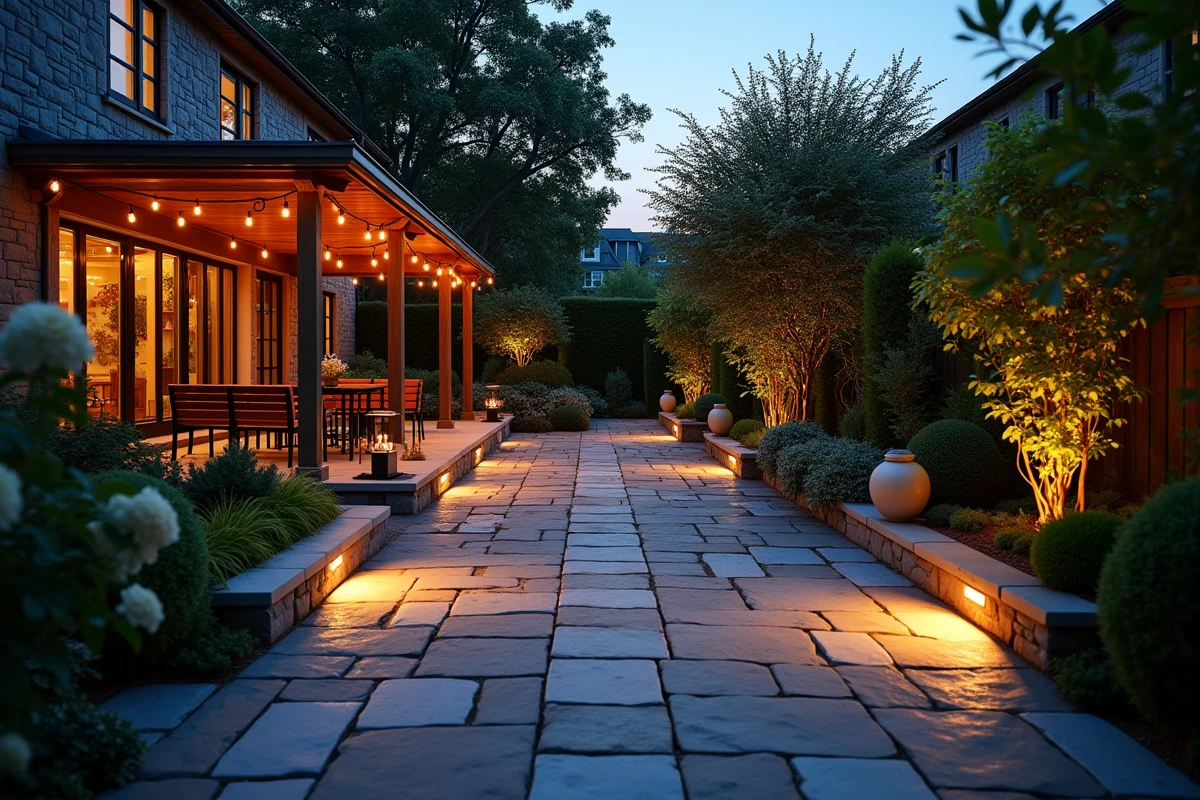
Lighting transforms the atmosphere of a garden as soon as night falls. Recessed lights along the paths ensure safety, while string lights or solar lanterns create a friendly atmosphere near the terrace.
Opt for low-voltage or solar lighting to limit consumption. Three well-placed light points are enough to structure the night space: one on the terrace, one along the main path, and one at the back of the garden to provide depth.
6. Plant fence to filter views without enclosing
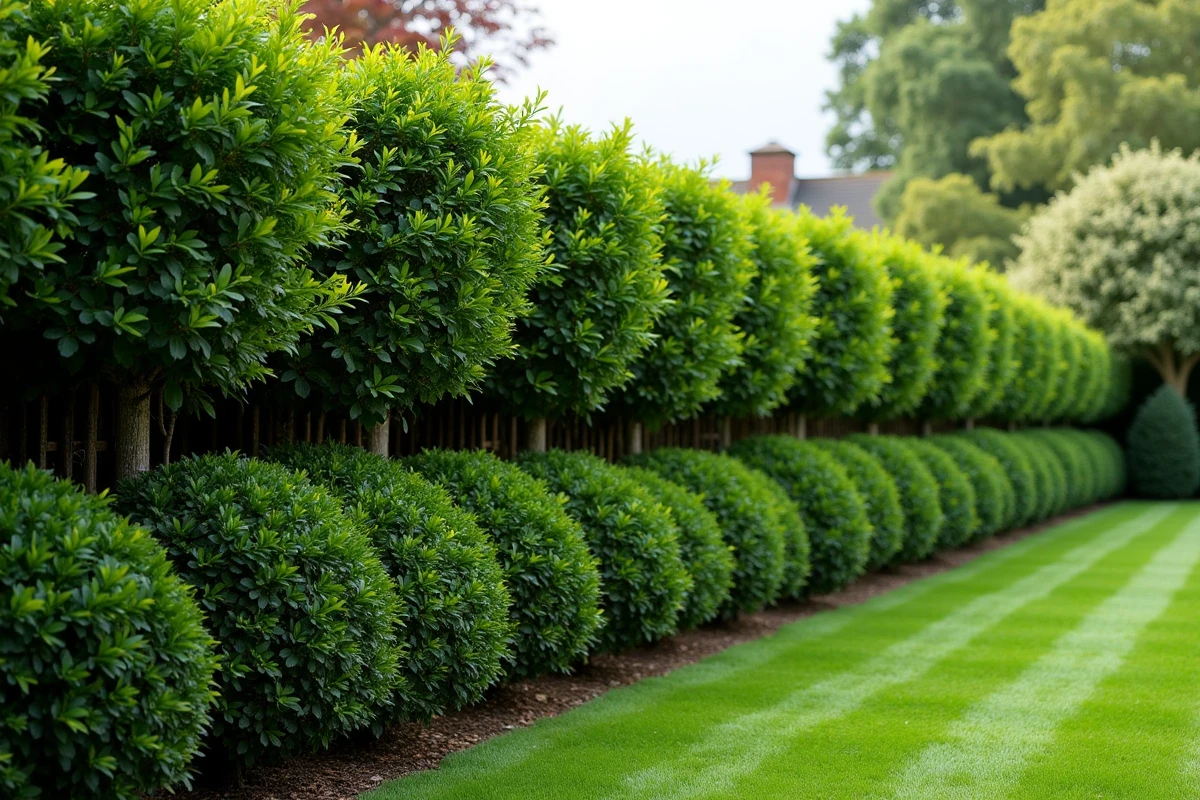
A mixed hedge composed of evergreen shrubs and grasses provides an effective privacy screen while allowing light to pass through. Unlike a wall or an opaque panel, the plant fence evolves with the seasons and adds volume to the garden.
Mixing deciduous and evergreen species ensures a minimum of coverage in winter. Expect two to three seasons before achieving sufficient density, which justifies planting from the first year of layout.
7. Water feature to animate the garden
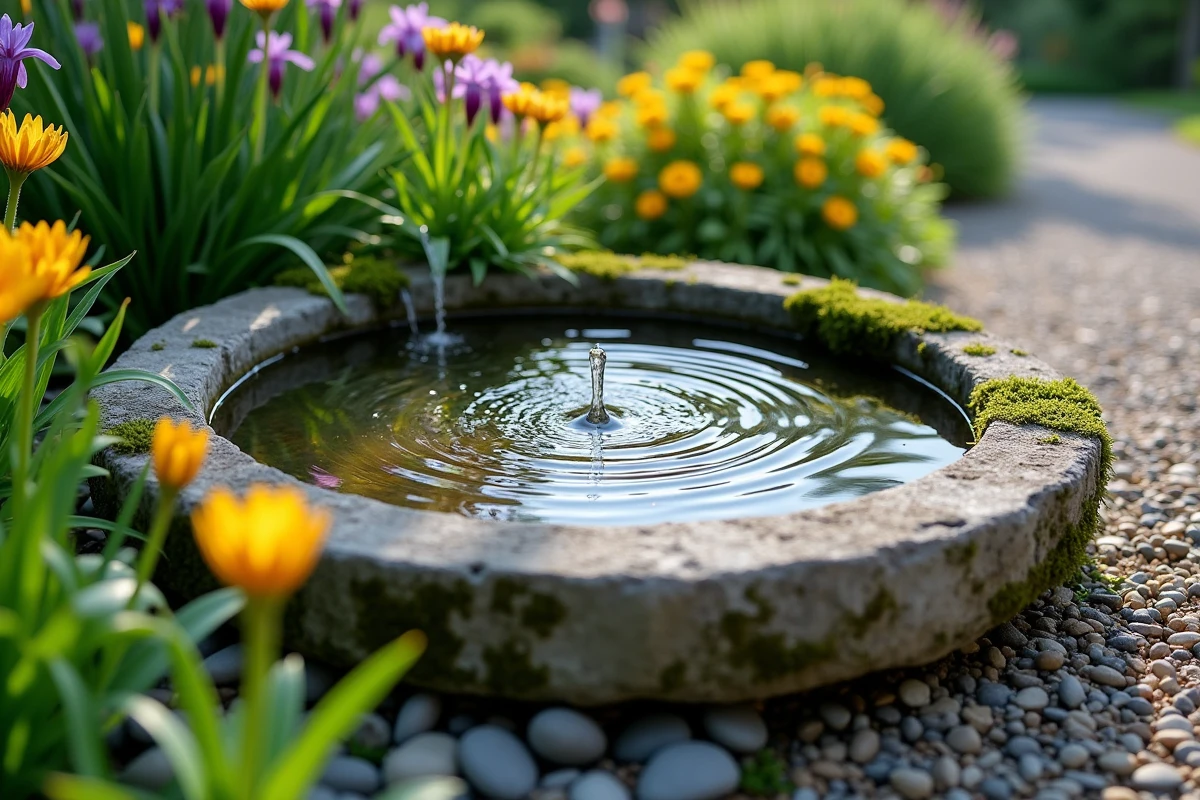
A fountain, pond, or even a simple overflow basin introduces a sensory element that plants alone do not provide. The sound of water masks urban noise and attracts birds and pollinating insects.
A small water feature is suitable for small gardens and requires only a low-consumption recirculation pump. Place it near the relaxation area to fully enjoy the soothing effect.
8. Multifunctional furniture for small spaces
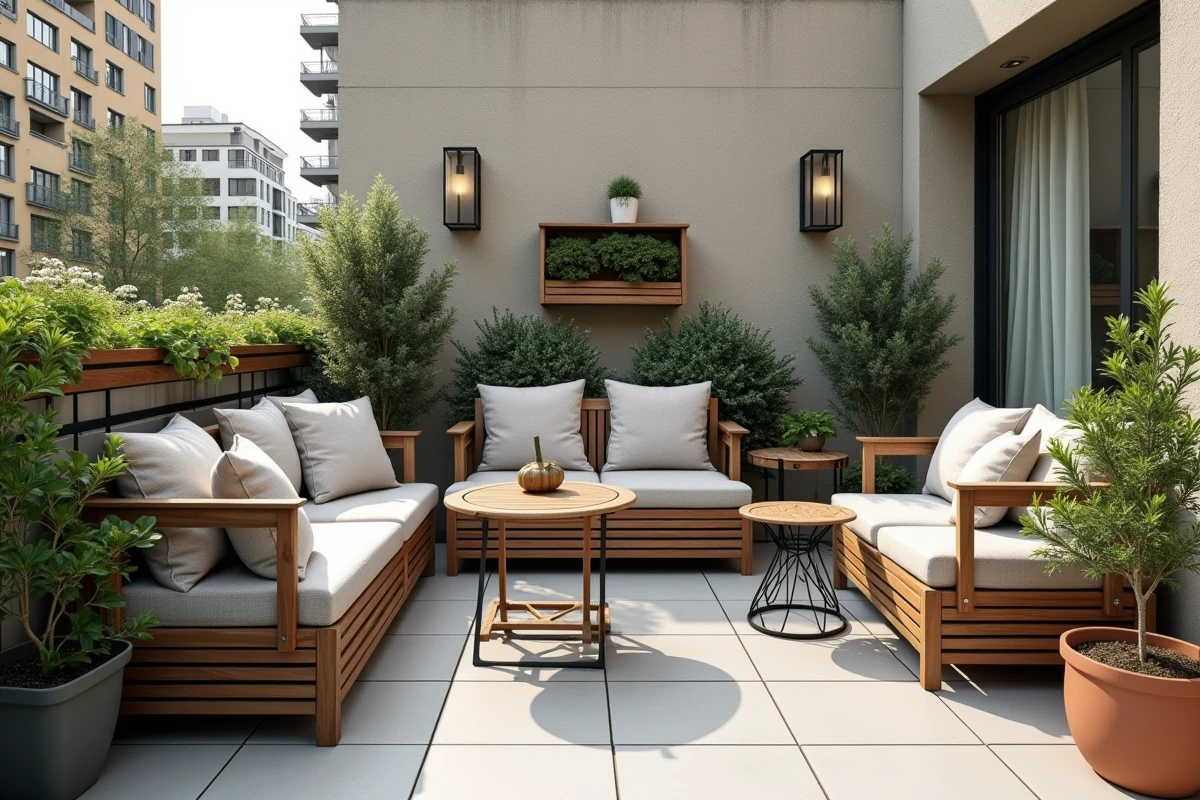
In a modestly sized garden, each piece of furniture should serve multiple roles. A storage bench holds cushions, a folding table frees up space when not in use, and a stool can also serve as a side table.
Optimizing small gardens involves verticality: wall shelves for pots, trellises for climbing plants, hanging planters. Utilizing height compensates for the lack of ground surface.
9. Mulching to limit watering and weeding

Organic mulching (bark, chippings, flax straw) retains soil moisture, reduces weed growth, and gradually enriches the soil as it decomposes. It is one of the most cost-effective gestures in garden layout.
- Recommended thickness: a layer dense enough to cover the soil without suffocating the plant crowns
- Renewal: once or twice a year depending on the type of mulch
- Mineral alternative: gravel or pumice for dry or Mediterranean areas
10. Initial mistakes to identify before planting
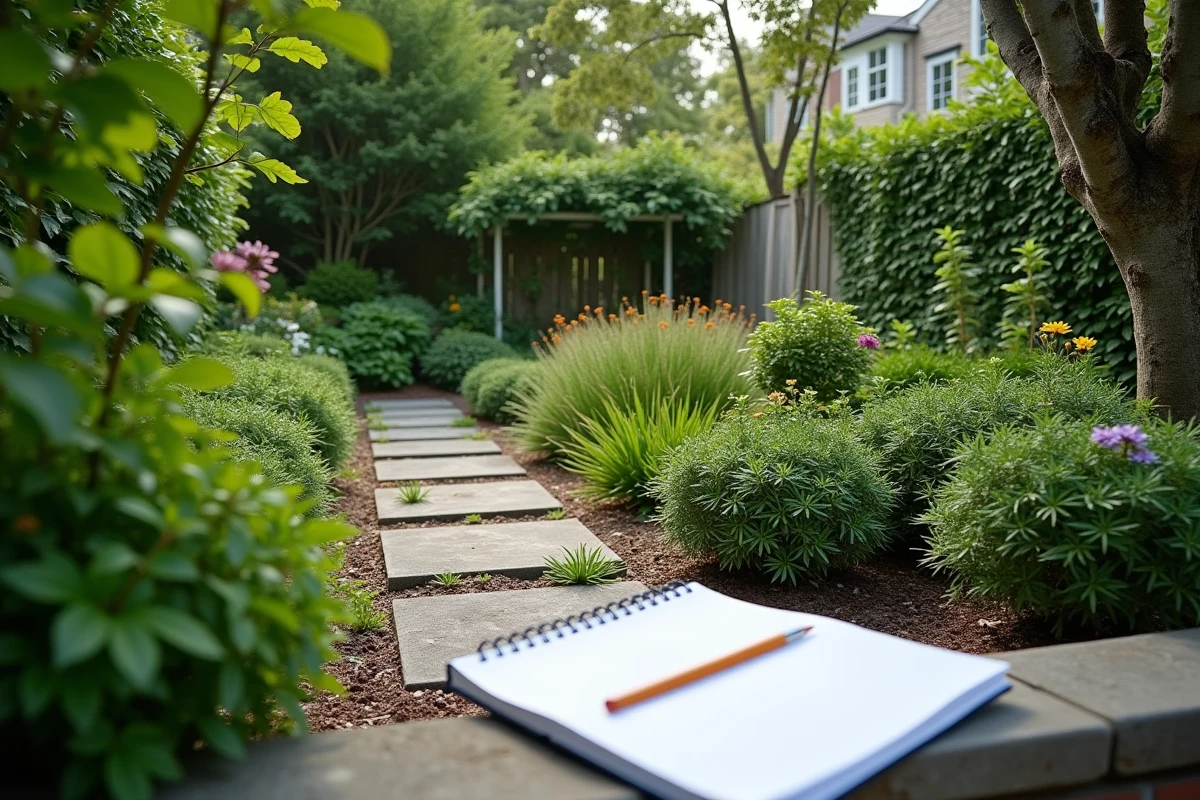
Initial poor choices are more expensive to correct than to avoid. Among the recurring mistakes:
- Underestimating the adult spread of a tree planted too close to the house or fence
- Neglecting orientation: a north-facing terrace will remain cold, a shaded vegetable garden will produce almost nothing
- Forgetting drainage, which dooms plantings in clay soil during the first rainy winter
- Installing a surface without a slope for drainage, creating stagnant puddles on the terrace
A rough scaled plan avoids most of these mistakes. Drawing the zones, marking the distances, and checking the shadows before purchasing any materials remains the most reliable approach to designing a sustainable outdoor space.