
After 60, the body no longer reacts in the same way to effort, meals, or short nights. Aging well is not just about ticking boxes on a list of good habits. It is more about adjusting routines to a changing body in order to maintain autonomy and quality of life for as long as possible.
Several dimensions are often overlooked in traditional advice on senior living: the proper use of medications, oral hygiene, prevention of domestic accidents, and housing adaptation. Online resources allow for in-depth exploration of these topics, such as https://www.jeune-senior.net/, which addresses the daily lives of seniors from various angles.
Micro-movements in Daily Life: Move Without Exercising
Have you ever noticed that after a long period of sitting, getting up becomes more difficult? It’s not fatigue: it’s prolonged sedentariness that stiffens the joints and reduces blood circulation.
Recent research on active aging emphasizes a specific point: short sequences of movement spread throughout the day complement regular physical activity. Walking for five minutes every hour, getting up to put something away, doing a few squats while waiting for the water to heat up. These micro-interruptions of sitting time protect muscles and balance.
Structured physical activity (brisk walking, swimming, gentle gymnastics) remains a pillar of aging well. A few dozen minutes a day are enough to maintain muscle mass and bone density. The goal is not performance, but consistency.
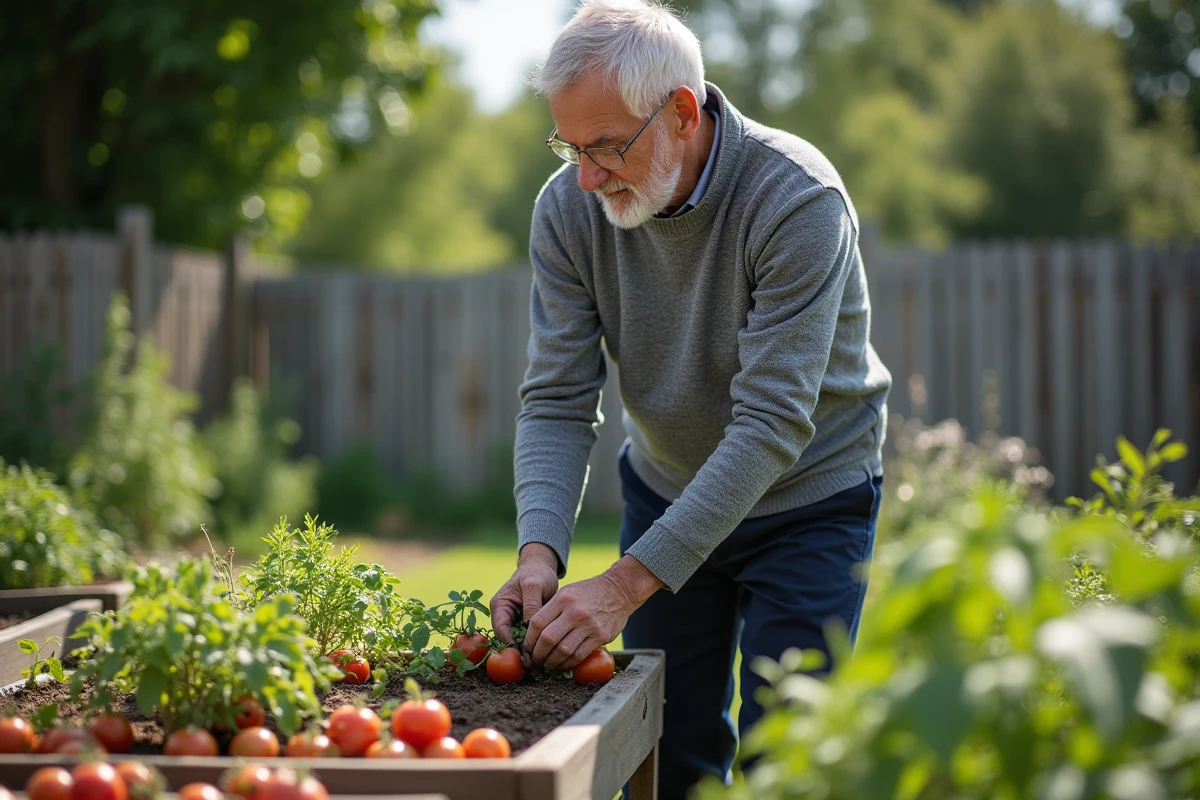
In practice, alternating between a proper exercise session and micro-movements throughout the day yields better results than only moving for thirty minutes in the morning. Fighting against sedentariness continuously protects better than exercise alone.
Nutrition and Medications: Two Interconnected Levers
Balanced nutrition for seniors is often discussed. Proteins for muscles, calcium for bones, adequate hydration. These basics are well-known. What is less recognized is the interaction between what we eat and the treatments we take.
Reassessing medical treatments becomes a central topic in healthy aging. With age, the liver and kidneys eliminate active substances more slowly. A medication well-tolerated at 55 may cause side effects at 70, at the same dose.
Having prescriptions regularly reassessed by a doctor helps avoid excessive polypharmacy, meaning the accumulation of treatments where some are no longer appropriate. Certain foods also alter the absorption of medications: grapefruit with statins, green vegetables rich in vitamin K with anticoagulants.
Here are some concrete guidelines for an appropriate diet after 60:
- Maintain protein intake at every meal (eggs, fish, legumes, dairy products) to slow age-related muscle loss
- Split meals if appetite is small rather than skipping an entire meal, which avoids gradual deficiencies
- Drink regularly without waiting for thirst, as the sensation of thirst decreases with aging
Adapting Your Home: A Health Act, Not a Comfort Act
Why is this topic so rarely addressed in advice on aging well? Probably because it is categorized under “home improvement,” far from health. This is a mistake.
Falls represent one of the major risks to seniors’ autonomy. A poorly secured rug, a dark hallway, a bathtub without grab bars: the majority of serious domestic accidents occur in the home. The goal is not to redo everything, but to identify critical points.
The intervention of an occupational therapist at home allows for assessing the person’s capabilities and proposing targeted adjustments. This professional can also guide towards financial aid to fund the work. Installing automatic lighting in the hallway, replacing the bathtub with a walk-in shower, securing grab bars in strategic locations: these modifications significantly reduce the risk of falling.

Adapting your home also preserves memory and landmarks. A familiar, well-organized environment where each object has its place supports cognitive abilities on a daily basis.
Oral Hygiene and Social Connection: Two Overlooked Angles
Oral hygiene is rarely mentioned in articles about aging. Yet it has a direct impact on nutrition and overall health. Untreated dental problems lead to avoiding certain foods (raw fruits, meat), which impoverishes the diet and accelerates muscle loss.
The “Aging Well” program from ENIM explicitly includes oral hygiene among prevention themes, alongside physical activity and medication use.
As for social connection, its effect on health goes beyond mere morale. Here’s what research highlights:
- Regular exchanges with others stimulate memory and cognitive functions, even during casual conversations
- Prolonged isolation increases the risk of depressive disorders, which in turn accelerate physical decline
- Participating in a collective activity (choir, workshop, volunteering) creates a routine that structures the week and maintains an active lifestyle
A weekly social appointment protects as much as physical exercise. This is not a metaphor: the measurable effect on cognitive health is comparable.
Accident Prevention: Habits That Change the Game
Beyond housing, certain habits reduce the risk of accidents in daily life. Wearing closed shoes with non-slip soles at home instead of worn slippers. Storing heavy objects at waist height to avoid bending or climbing on a stool.
Revising movement habits within one’s own home is part of active prevention. Most seniors who lose their autonomy after a fall lived in an environment they knew by heart, but which contained invisible traps.
Aging well ultimately relies on concrete, often modest adjustments that touch on the body, nutrition, housing, and social life. Each of these levers affects the others: moving protects balance, eating properly supports muscles, adapting housing prevents falls, and maintaining contacts stimulates memory. It is this combination, personalized according to individual capabilities, that makes the difference over time.