Thirteen editions, tens of thousands of captivated ears, and still this same absence of an official agenda elsewhere: the Malouf has no season, but Constantine has chosen to make it a highlight. Here, year after year, the city establishes itself as the rallying point for lovers of this tradition. Elsewhere, silence, or almost. Constantine, however, refuses to pause.
Each festival brings together musicians from various backgrounds, united by the demand for a repertoire passed down orally, rarely celebrated on this scale. The city then takes on the role of a crossroads where tradition and invention converse. Constantine becomes a meeting place, where locals and visitors come together around strong musical moments, weaving an unexpected web of exchanges.
The International Malouf Festival in Constantine: an event that makes the city vibrate
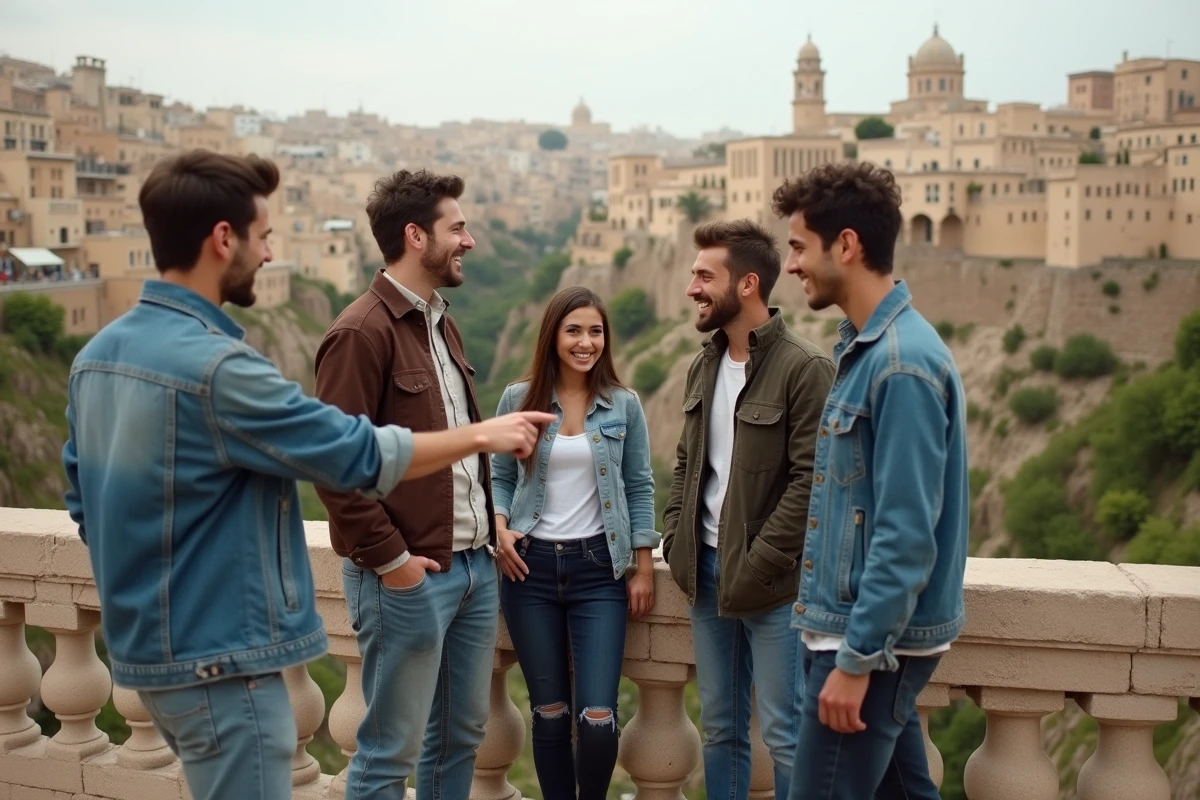
In Constantine, nicknamed the “city of bridges,” the international Malouf festival transforms the streets of the city center into a true open-air stage. The Malouf, this treasure of local heritage, stands out here as a flagship among Arab-Andalusian music. Constantine is not just a backdrop: it asserts itself, edition after edition, as the guardian and pioneer of a living heritage, ready to reinvent and transmit it to new generations.
Each new edition attracts a diverse audience: artists from Algeria and beyond, families, researchers, and curious onlookers. The excitement spreads across the wilaya of Constantine: cafés are bustling, alleys are vibrant, and the suspended bridges bear witness to this musical agitation. Over time, the festival contributes to reshaping public space and encourages a rethinking of collective life in a city marked by a rich history and a deep attachment to cultural transmission.
The event is also part of a vibrant social context. The Hirak, this citizen movement that emerged in 2019, continues to fuel the local scene. Led by engaged youth and determined women, it sometimes intersects with the festivities. In this context, culture is not secondary: it becomes a space for expression, debate, and contestation. Concerns about the preservation of local heritage and the vitality of the artistic scene are discussed in public debates, forums, and media.
For an insider’s perspective, the page https://www.lagazettedeconstantine.com/ offers a deep dive into the heart of the festival, its behind-the-scenes, and its key figures. The testimonials gathered there highlight how Constantine asserts itself as a factory of ideas, a fertile ground for initiatives where the Malouf is not stagnant, but very much alive and driven by society itself.
Why is the Malouf so fascinating? A dive into a living and festive heritage
Arab-Andalusian music holds a unique place in the life of Constantine. The Malouf, passed down from master to student, from parent to child, embodies much more than a tradition. Its strength lies in bringing together all ages during celebrations, weddings, or simply during an evening gathering. We think of great names like Mohamed Tahar Fergani or the Bencheneb family, figures who symbolize the endless renewal of this heritage for the locals.
The cultural heritage of Constantine reveals itself in the subtlety of the modes, the virtuosity of the musicians, and the poetry of the lyrics. Far from merely reproducing, the youth appropriates these codes, plays with them, sometimes transforming them by mixing in other influences. Workshops, associations, local initiatives: the scene is not waning; on the contrary. This dynamic, recognized by UNESCO, makes the city a pillar of culture in the Arab world.
In a country where the desire to express oneself still faces obstacles, culture acts as a breath of fresh air. The Malouf becomes this shared language, a form of collective freedom. Young people, just like women, find their place, assert themselves, and renew the scene. The fact that this tradition persists and transforms tells the story of a vibrant Constantine that remains, against all odds, a cultural hub in perpetual motion.
Want to experience it? Practical information, highlights, and tips to enjoy the festival
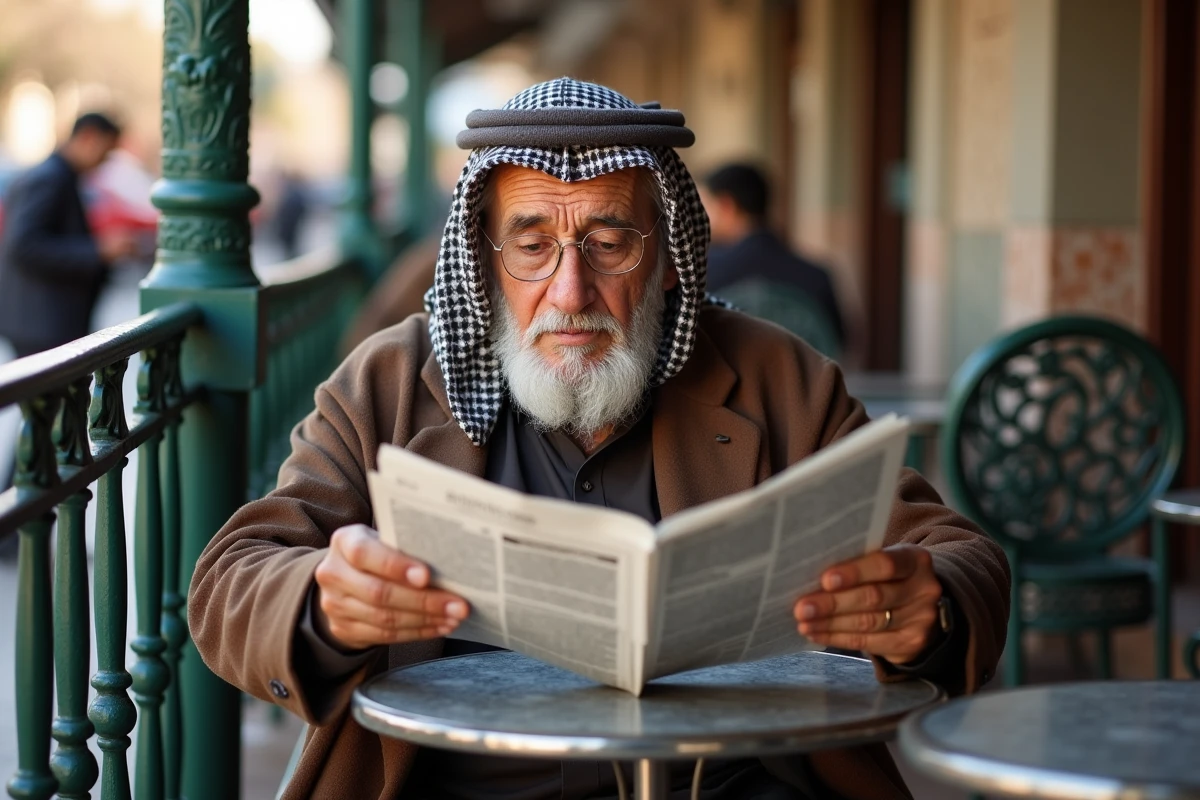
Constantine, nicknamed the city of suspended bridges, is preparing to host a new edition of the international Malouf festival. The city is mobilizing, modernizing its infrastructure, and offering an itinerary punctuated with emblematic locations, bridging the past and present. The city center concentrates most of the concerts, just a stone’s throw from Mohamed Boudiaf Airport and the roads leading to neighboring municipalities. Access organization has improved: dedicated shuttles, new temporary parking, adapted signage, everything is designed to enhance the audience’s experience.
Festival-goers will be able to discover several key spaces: the exhibition palace of the wilaya, public squares, as well as university venues, a major novelty for this edition. The collaboration with the university broadens the audience, opening the festival to students, researchers, and new horizons. This year again, the programming emphasizes diversity: concerts, workshops, meetings, featuring artists from all Algerian regions, reflecting the plural face of the country’s culture.
To make the most of this event, here are some practical recommendations:
- Book your tickets online as soon as they go on sale to avoid any unpleasant surprises
- Plan your transportation and inquire about shuttles or parking to save time
- Take advantage of guided tours offered to discover the urban heritage, often unknown even to locals
It’s impossible to leave without looking up from the Sidi Rached or Sidi M’Cid bridges: the view of the city alone is worth the trip. Constantine, true to its history, asserts through this festival its desire to make heritage a collective adventure, open and resolutely focused on the future.