
Since January 2024, manufacturers can no longer market models that do not comply with the new European emission standards. However, some hybrid models still benefit from exemptions due to specific technical devices, despite the growing pressure to accelerate the transition to electric vehicles. The French market is witnessing a surge in the launch of electric and hybrid vehicles, while traditional thermal engines are becoming rarer in manufacturers’ announcements for 2025 and 2026. The diversity of the offering is expanding, driven by innovations and unprecedented strategies aimed at meeting regulatory requirements and consumer expectations.
The French automotive landscape in full transformation: what major trends for 2025 and 2026?
No respite for the French automotive sector: the road is changing rapidly. Pillars like Renault and Stellantis, strongly established in France, maintain a lead thanks to their sites in Douai, Sochaux, Maubeuge, or Mulhouse. However, newcomers from Asia or North America are no longer hesitating to reshuffle the cards. The home successes of Peugeot, Citroën, Dacia, or DS Automobiles remain among the favorites, but the rise of Tesla, BYD, or MG updates the Top 10 sales with each new announcement.
The pace is intensifying for the launch of electric and hybrid models. Standards are sharpening the ranges, and emission reduction is becoming imperative. France retains its best-sellers: Clio, 208, Sandero, Yaris, models that resist trends. But on the 100% electric side, the spotlight is on the Renault R5, the Megane E-Tech, the Peugeot e-308, or the Dacia Spring.
French production and global competition
Several guidelines summarize the current market mindset:
- Some models, like the Scenic E-Tech or the 308, concretely demonstrate local industrial dynamism by rolling off French production lines.
- Brands from Asia or the United States are making significant progress, even though historical vehicles maintain a solid foothold among buyers.
The choice of available vehicles expands from quarter to quarter, offering even more diversity. For those who want to explore new models, check a technical sheet, or monitor sector developments, the site all cars on Automobile Référence provides a comprehensive overview, from hybrids to electric vehicles, not forgetting the latest thermal models.
New electric and hybrid models: innovations, performance, and key features to know
The rise of electric mobility sets the tone. Renault and Peugeot are shaking up their lines with cars designed for sobriety and efficiency, like the R5 electric developed in Douai, which combines retro and innovation. The Megane E-Tech and Scenic E-Tech elevate range, multiply connected options, and push the standards of interior equipment.
Peugeot positions its e-308 as an agile alternative in the compact segment, while Dacia Spring makes electric vehicles more accessible. Citroën, true to its boldness, meets urban expectations with the Ami. DS Automobiles, Alpine, Jeep, and MG are multiplying hybrid and electric versions, varying styles and enriching their catalogs of options and finishes each year.
Here are the key points that are increasingly guiding buyers:
- Range: the 300-kilometer mark is becoming common, facilitating both daily commutes and long-distance travel.
- Responsiveness and driving pleasure: the instant torque of electric motors is now hard to ignore, even in family SUVs.
- Embedded technologies: driving assistance, connected tools, and energy management are now essential across all segments.
In the arena, international brands like Tesla, BYD, or MG are making their mark with models such as the Model Y, Seal U, or ZS. At the same time, the French sector is raising its game by renewing its assembly lines and producing electrified vehicles with unprecedented performance. For consumers, the challenge is simple: stay tuned to new releases and decipher an increasingly complex landscape.
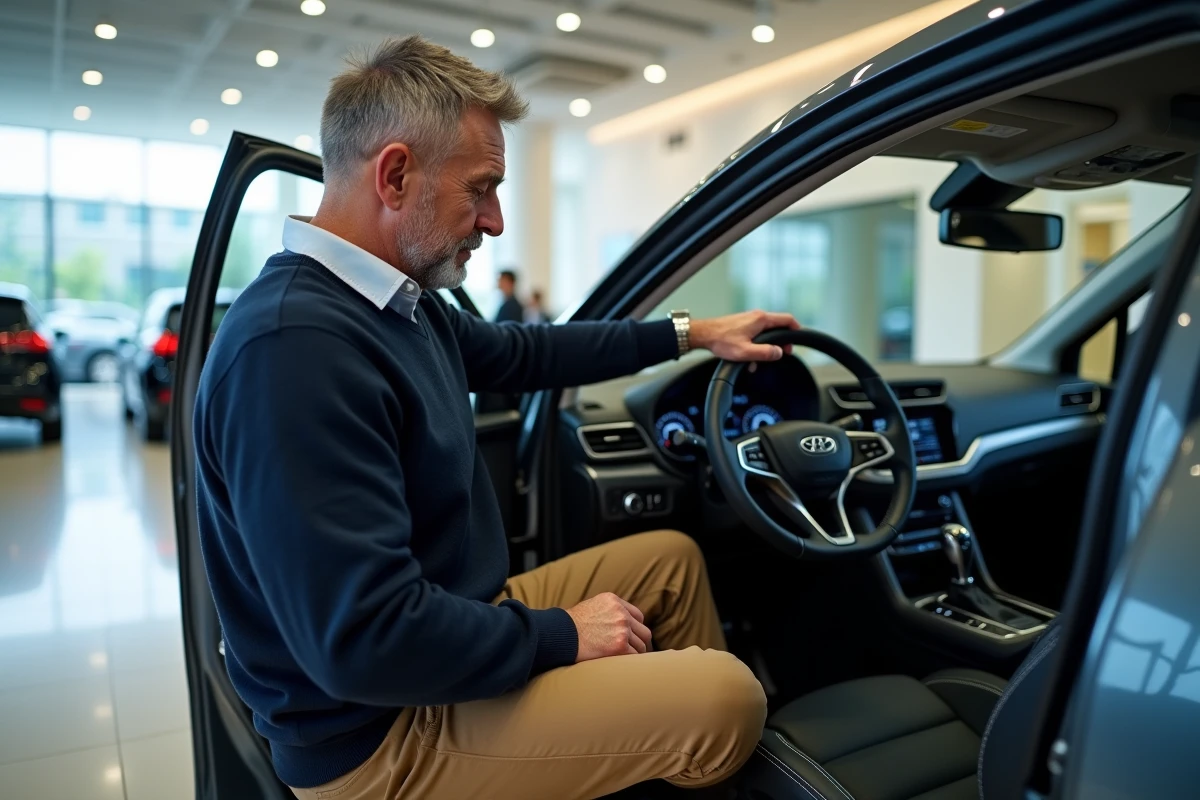
How to choose among upcoming cars? Practical advice and resources to go further
It’s impossible to navigate without taking a moment to review your criteria in the face of this avalanche of options. The models dominating the market, such as the Clio, Peugeot 208, or Citroën C3, remain benchmarks, but the rapid emergence of new models like the R5, e-308, ID.3, or Spring reshuffles the deck, not just in terms of budget or design. The central question is: which engine for which needs? Electric vehicles are gaining ground, hybrids are appealing, while thermal engines are gradually receding.
To make an informed choice, several criteria can guide your thinking:
- WLTP range: essential for defining compatible uses, whether for daily or more ambitious trips.
- Public aids and bonuses: they reduce the bill, especially for zero-emission vehicles.
- Total cost of ownership: charging, maintenance, and taxation directly influence the profitability of the chosen model.
- Type of use: large family, professional use, urban or suburban… each need directs the choice towards a more suitable model.
Specialized guides, comparisons, and tests provide valuable assistance in differentiating alternatives. Range figures, battery capacity, safety features, and daily practicality become essential data. Major events like the auto show offer a direct glimpse of the technologies to watch and the models that will be in the news tomorrow.
On the road and in dealerships, the French automotive landscape is reinventing itself before our eyes. This excitement, driven by the electric wave, leaves no room for routine. The question remains: what will be the next silhouette to electrify our roads, and will electric vehicles establish themselves as quickly in the landscape as manufacturers anticipate?