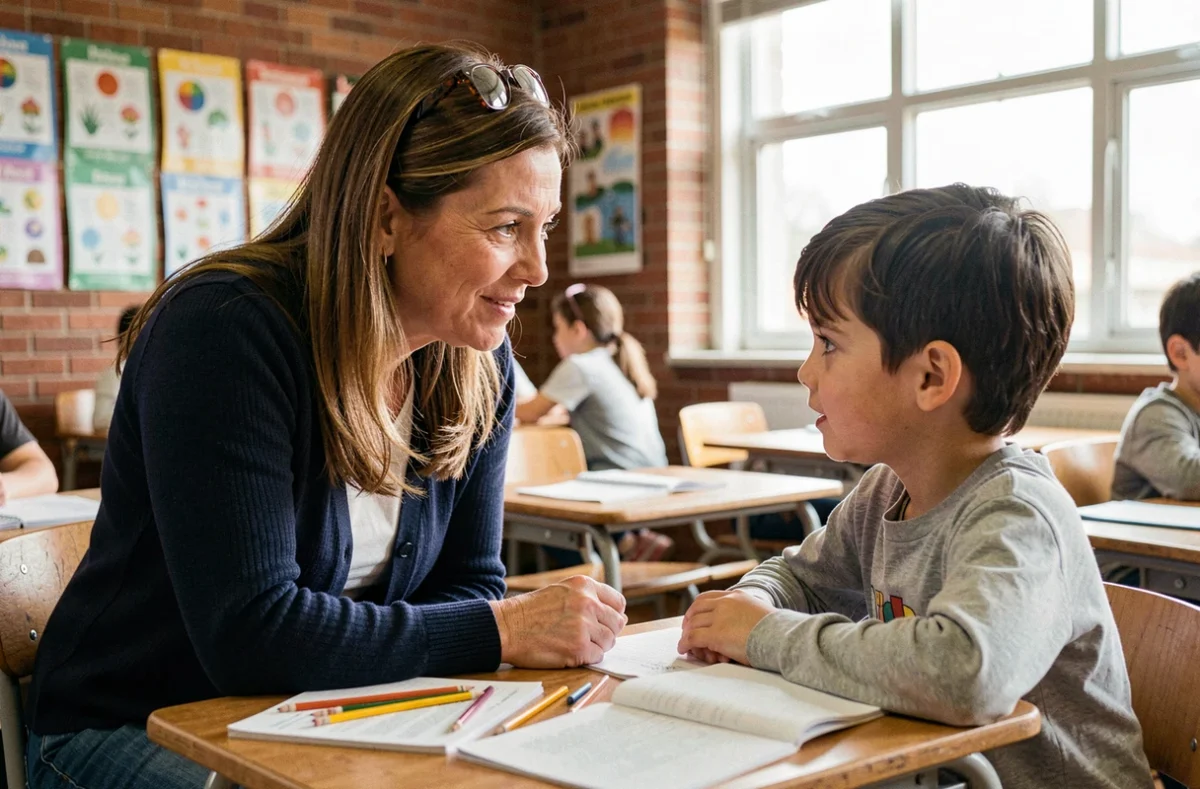
The concept of a vulnerable child is not limited to situations of proven abuse. Article L 221-1 of the Social Action and Families Code distinguishes between a child in danger and a child at risk of danger, depending on whether their health, safety, or developmental conditions are seriously compromised or likely to be. This distinction guides the methods of detection and alert systems.
Early signals are often drowned out in daily school or family life, making their detection difficult for both professionals and relatives.
Psychological Fragilities from Maternity: A Blind Spot in Detection
The preparatory work for the reform of child protection highlights the need to better take into account fragilities, particularly psychological ones, from maternity onwards. The link between maternity, maternal and child protection services (PMI), parenting support, and child welfare services (ASE) remains a weak link. Without a reference person capable of ensuring continuity of follow-up, some families fall off the radar between leaving maternity and the first visit to PMI.
This observation does not only concern situations of economic precariousness. Isolated parents, those facing postpartum psychological difficulties, or those dealing with a communication disability in their child often escape traditional systems. Early childhood professionals rarely have standardized screening tools for these early vulnerabilities.
Several institutional resources are attempting to fill this gap. Local authorities publish guides aimed at professionals and families, such as the CC Rhin portal, which details identification and support procedures tailored to local situations.
Warning Signs in Children: Beyond Physical Marks
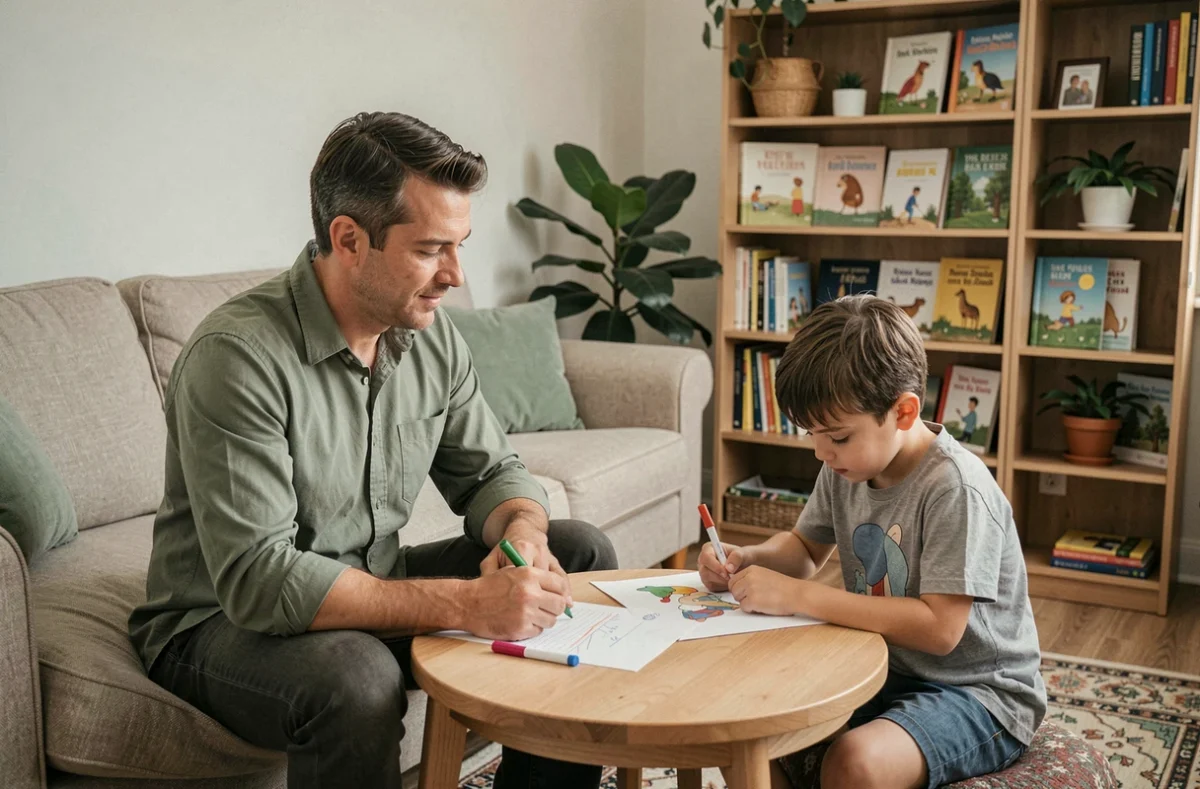
Identifying a child in a vulnerable situation involves observing lasting behavioral changes, not just physical marks. National Education staff are on the front lines, but the most frequent signals are silent: withdrawal, sudden drop in academic performance, repeated absenteeism, sleep disturbances reported by the child, or inappropriate sexualized behaviors for their age.
The challenge lies in distinguishing between a temporary difficulty and a cluster of converging indicators. An isolated change does not constitute a warning signal in itself. However, the combination of several changes over several weeks justifies a referral to the school doctor or social worker.
Children Who Do Not Speak: Increased Vulnerability
Children with communication disabilities are at significantly higher risk of being victims of violence. Without a way to express what they are experiencing, detection relies entirely on the observation of those around them.
- Implement an alternative communication tool (pictograms, tablet, sign language) from a young age, even partially, so that the child can indicate body parts or express refusal
- Explicitly name body parts and appropriate or inappropriate gestures during daily exchanges, adapting the support to the child’s level of understanding
- Train professionals working with the child (AESH, educators, after-school activity leaders) to recognize behavioral changes specific to the disability
Continuity of Care for Children in ASE Custody
Continuity of care has become a priority for protected children. The interministerial strategic committee convened on September 22, 2026, confirmed this direction. In practice, breaks in medical and psychological care remain common during changes in placement.
A child in custody may change their primary care physician, child psychiatrist, or care facility with each new placement. These transitions lead to losses of clinical information and interruptions in treatment. Field reports vary on the ability of departments to maintain a shared medical record among the various stakeholders.
Preventing School Dropouts
Support is no longer limited to physical safety and care. Educational continuity is now part of the support policies for protected children. A call for projects from the FSE+ dedicated to academic ambition must strengthen support for ASE children. An instruction published on September 17, 2026, asks academies to mobilize more home, hospital, or school educational support (Apadhe).
This approach recognizes that school dropout exacerbates vulnerability. A child who loses their connection to school also loses a detection network and a structuring framework.
Role of Parents and Professionals in the Alert System
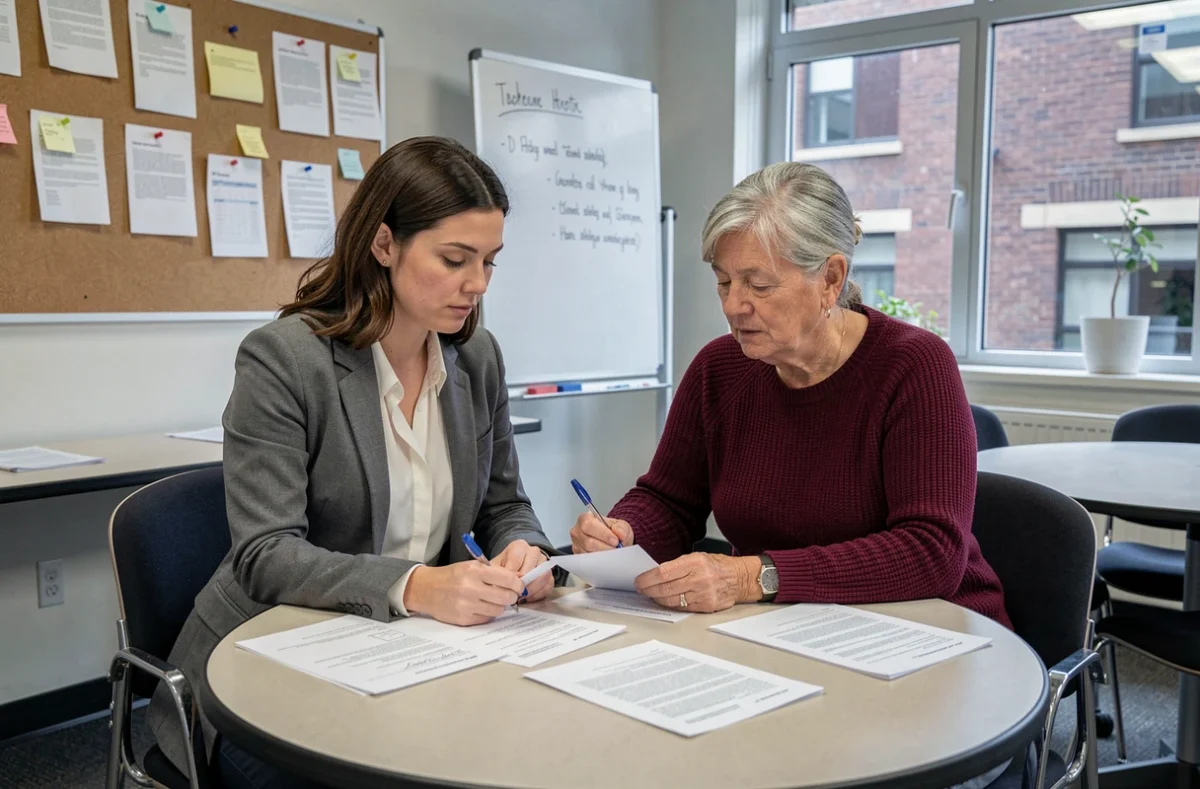
The transmission circuit for a concerning situation involves several actors, but it is based on a simple principle: anyone who identifies indicators must report them, without waiting for certainty. The law does not require proof; it requires a report or concerning information.
- The concerning information is sent to the department’s collection unit (CRIP), which assesses the situation and decides on the next steps
- The judicial report is sent directly to the public prosecutor when the severity or urgency requires it
- Health professionals, teachers, and social workers are not bound by professional secrecy when it comes to protecting a minor in danger
- Parents who suspect a dangerous situation in their child’s environment can contact 119, the dedicated national number
The difficulty for a teacher or activity leader does not lie in the procedure itself. It stems from the fear of making a mistake or triggering a disproportionate intervention. The online awareness modules developed by the Ministry of Solidarity aim precisely to alleviate this inhibition by training in detection and listening without requiring a diagnosis.
Early detection and support for vulnerable children mobilize skills spread across health, education, justice, and social action. The absence of a single reference point among these institutions remains the main barrier identified by the reform work in child protection. As long as this missing link exists, the quality of follow-up will largely depend on the individual commitment of professionals in contact with families.