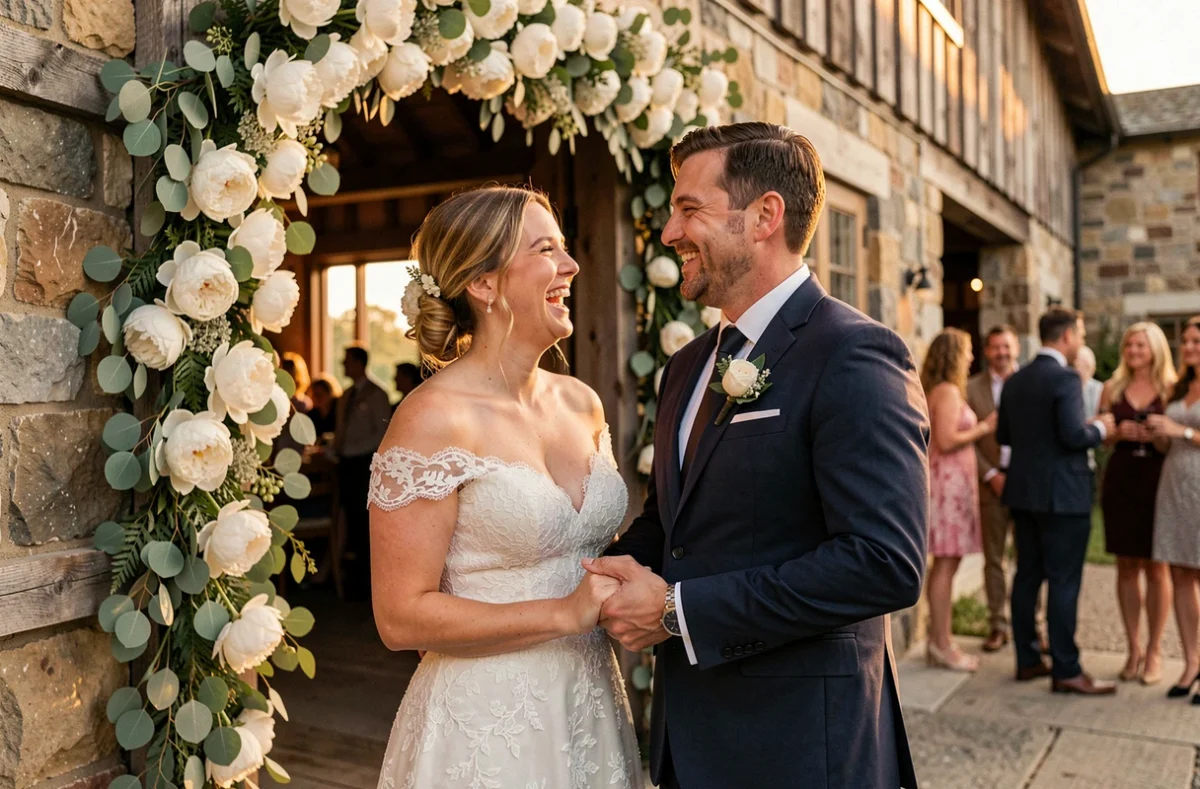
Organizing an unforgettable wedding involves making clear choices on three axes: the format of the day, the experience for the guests, and the allocation of the budget among the truly important items.
Civil Ceremony: Legal Framework and Creative Freedom
The civil ceremony at the town hall remains the only union recognized by French law. According to service-public.fr, the marriage file must be submitted to the town hall of the place of residence of one of the future spouses.
This administrative constraint, however, leaves a wide margin for staging. The secular ceremony, organized in addition to the town hall visit, allows for the personalization of vows, the choice of an outdoor reception venue, and the integration of readings or rituals specific to the couple.
The difference between a standardized wedding and a celebration that leaves a mark often lies in this second ceremonial moment. Writing your own vows, assigning a reading to a loved one, planning a symbolic ritual (sand, wine, candles): these choices transform a protocol into a moment of emotion. To find service providers specialized in each step of the organization, you can access the Party Wedding site and browse the various categories offered.
Quiet Wedding: Reducing the Guest List for Quality
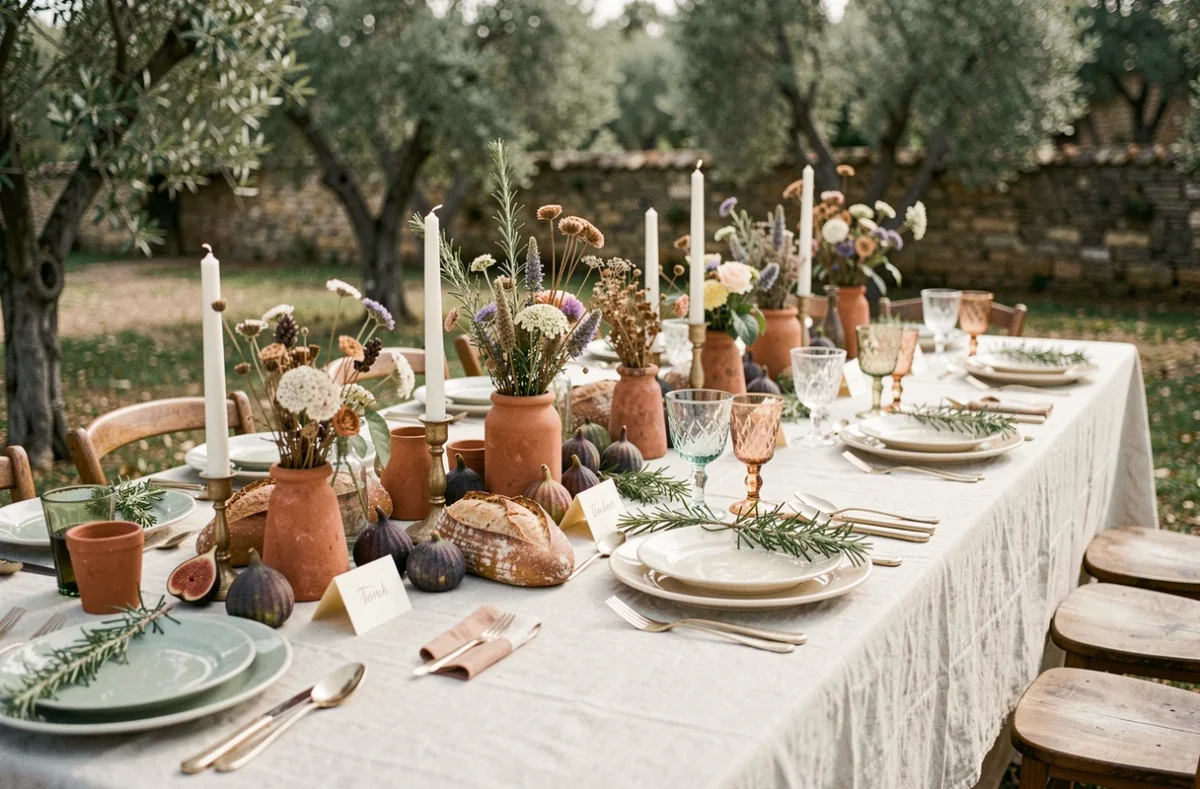
The quiet wedding refers to a small-scale wedding format where the couple intentionally reduces the guest list. TF1 Info, in an article published on September 26, 2026, citing the 2026 report from Mariages.net, describes this trend as a choice to prioritize the quality of interactions over the quantity of guests.
Reducing the number of guests does not proportionally decrease the budget. Savings on catering and the venue can be reinvested in high-value items: an exceptional location, a gourmet meal, refined decoration, or immersive entertainment.
What the Intimate Format Changes Practically
- The seating plan becomes a real lever for atmosphere: with fewer guests, each placement encourages exchanges between people who do not yet know each other
- The entertainment gains intensity, as all guests participate instead of remaining spectators in a corner of the room
- The meal can evolve into a tasting format or a multi-course menu, which is difficult to manage beyond a certain number
This format suits couples who want a reception where every guest feels involved, not just present.
Wedding Budget: Where to Focus Spending
The reception venue and catering are among the heaviest items in a wedding budget. This observation is confirmed in the majority of feedback from the sector.
Locking in the menu and the number of covers at least two months in advance limits additional costs related to last-minute changes and unanticipated additions.
Balancing Decoration and Experience
Decoration is often an overvalued item compared to its actual impact on guests’ memories. Data from the 2026 report from Mariages.net shows that the primary declared goal by couples is for their guests to have fun, ahead of the desire to reflect the couple’s relationship, the atmosphere, or the meal.
Investing in original entertainment (cocktail workshop, live musician during the cocktail hour, scripted group games) creates a more lasting memory than an elaborate centerpiece. This does not mean neglecting decoration, but rather allocating the budget in favor of the lived experience rather than the photographed decor.
Two-Day Wedding: Organizing the Next Day’s Brunch
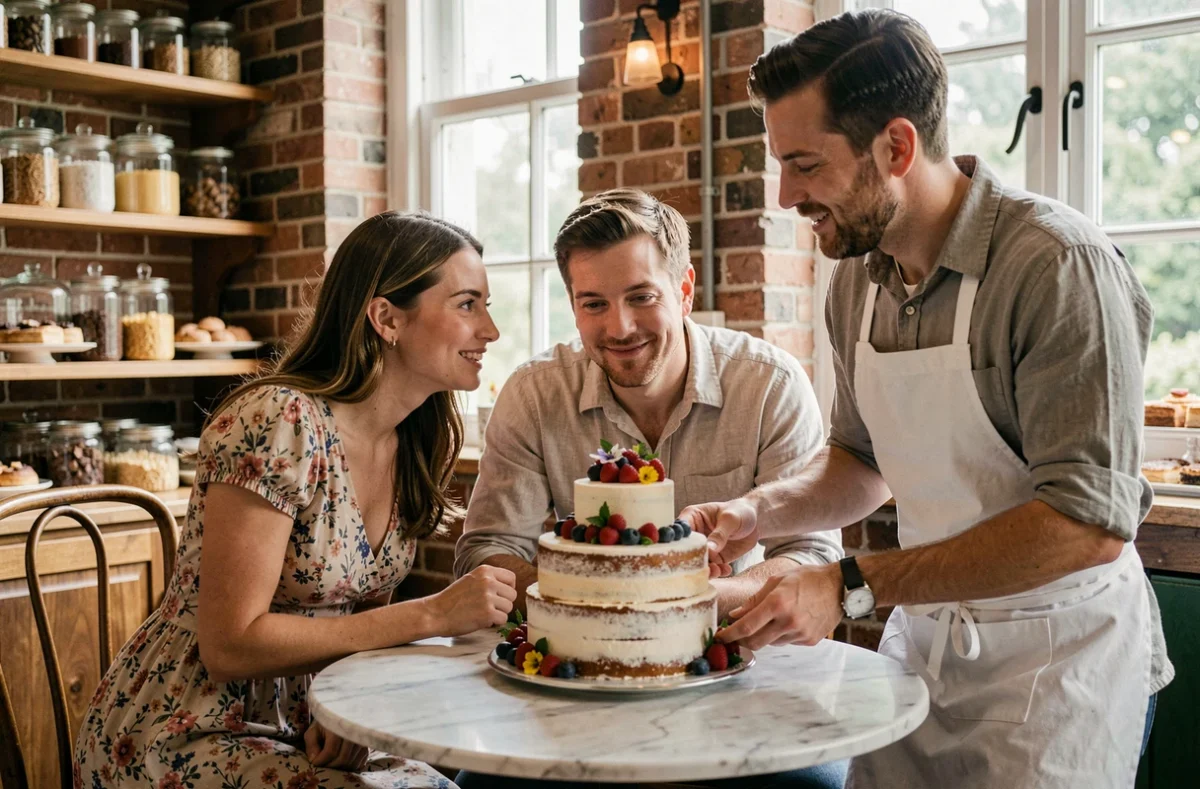
The wedding no longer ends with the closing of the venue. According to a Hyatt Vows & Venues study published in 2026 and reported by Gala on September 4, 2026, 56% of respondents would like to organize a brunch the day after the reception.
This second celebration extends the event without reproducing the logistical pressure. The brunch operates in a relaxed mode: free buffet, casual attire, reunions after the night of celebration.
Points to Anticipate for the Brunch
- Negotiate access to the reception venue upon booking: some estates include the following morning, while others charge a significant extra fee
- Plan for a distinct caterer or a self-service format (pastries, fruits, cheeses, hot drinks) to avoid overloading the dinner provider
- Set a clear time slot (10 a.m. to 1 p.m., for example) so that guests know when to leave without ambiguity
The brunch is also the moment when the couple truly enjoys their loved ones, free from the tight schedule of the previous day.
Organizing an unforgettable wedding relies less on the accumulation of original ideas than on the coherence between the chosen format, the actual budget, and the experience felt by the guests. The quiet wedding, the next day’s brunch, and the budgetary refocusing on experience rather than decoration reflect the same movement: shorter celebrations with a smaller guest list, but longer in duration and more intense in memories.